
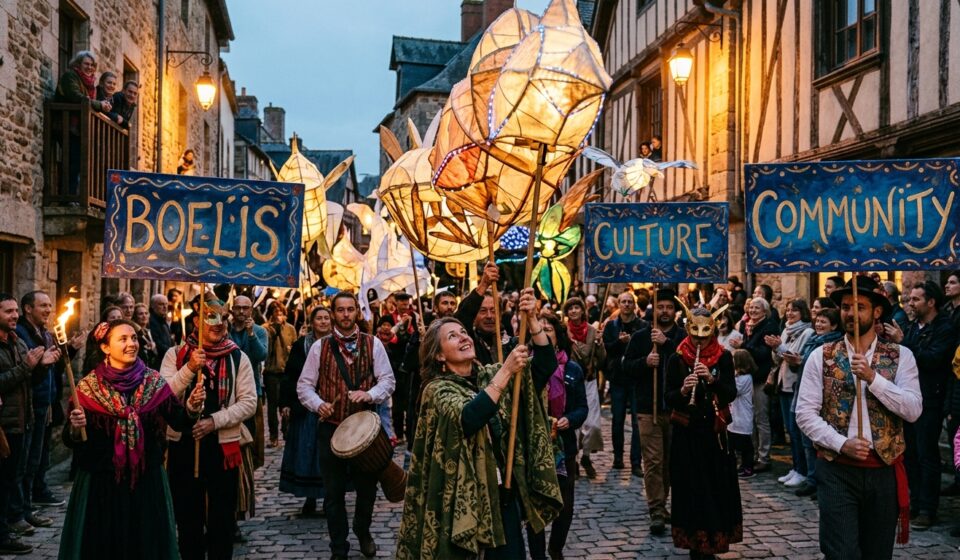

Boelis is more than just a tradition; it’s a vibrant thread woven into the fabric of community life. Picture gathering around with family and friends, sharing stories and laughter, all while embracing unique customs that have been passed down through generations. This captivating practice has its roots deep in history, shaping identities and fostering connections among people.
As we dive into the world of Boelis, you’ll discover the origins that sparked this cultural phenomenon. You’ll learn how it influences not only individual lives but also entire communities. From age-old rituals to modern adaptations, the essence of Boelis continues to thrive today. Join us on this journey as we explore the beauty and diversity of Boelis—a celebration worth knowing about!
What is Boelis?
Boelis is a fascinating cultural phenomenon that embodies the essence of community and tradition. At its core, it represents a unique blend of rituals and practices passed down through generations.
This tradition serves not only as a form of expression but also as a way to foster connections among individuals. Boelis revolves around shared experiences that bring people together, strengthening relationships within communities.
The customs associated with Boelis vary widely across regions, reflecting local values and history. Each iteration offers insights into the identities of those who participate in it.
Through vibrant celebrations and meaningful gatherings, Boelis creates an atmosphere filled with joy and camaraderie. It invites everyone to partake in something greater than themselves—a collective journey steeped in heritage and belonging.
In this way, Boelis transcends mere tradition; it’s an ever-evolving tapestry woven from individual stories and communal bonds.
Origins and History of Boelis
The origins of Boelis are steeped in mystery and tradition. It is believed to have emerged several centuries ago, rooted in local rituals that celebrated seasonal changes. Communities gathered to honor nature’s cycles through music, dance, and storytelling.
Historical records suggest that Boelis was initially a harvest festival. Villagers expressed gratitude for bountiful crops while fostering a sense of unity among participants. This celebration gradually evolved into something more profound—a reflection of cultural identity.
As the years went by, Boelis began incorporating various influences from neighboring regions. Each culture brought its own flavor, making the tradition richer and more diverse.
Today, remnants of these ancient practices still resonate within modern festivities. The spirit of connection remains strong as families come together to pass down stories and customs associated with Boelis from generation to generation.
The Role of Boelis in Shaping Culture and Community
Boelis serves as a vital thread weaving together the fabric of local culture. This tradition fosters connections among community members, creating bonds that transcend generations.
Through shared rituals and events, people come together to celebrate their heritage. It’s not just about preserving history; it’s also about building relationships. The sense of belonging is palpable during these gatherings.
Artistic expressions often emerge from Boelis practices, influencing music, dance, and visual arts. Local artists draw inspiration from the vibrant customs associated with this tradition.
Education plays a key role as well. Younger generations learn the significance of Boelis through storytelling and participation in traditional activities. Such engagement nurtures respect for one’s roots while encouraging innovation within those boundaries.
Boelis is more than an event; it’s a cultural ethos that shapes identities and strengthens communities at every level.
Unique Customs and Traditions Associated with Boelis
Boelis is rich with unique customs that reflect its deep cultural roots. One of the most captivating practices involves elaborate storytelling sessions held in community spaces. Elders share tales that weave history and morality, engaging listeners across generations.
Another fascinating custom is the seasonal festival dedicated to Boelis. This event features vibrant parades where participants don traditional attire, representing various aspects of their heritage. Colorful decorations adorn homes and streets, creating a lively atmosphere.
Culinary traditions also play a significant role in Boelis, with families preparing special dishes passed down through generations. These recipes often require teamwork and create opportunities for bonding among family members.
Music and dance are integral parts of these celebrations as well, showcasing local talent and fostering a sense of unity within the community. Each note played tells a story; each step danced celebrates life itself.
The Impact of Boelis on Modern Society
Boelis continues to influence modern society in profound ways. It serves as a cultural touchstone, reminding communities of their shared heritage and values. This tradition fosters social cohesion among diverse groups.
In urban areas, the essence of Boelis can be felt through festivals, art forms, and community gatherings that celebrate local identity. These events are not just entertainment; they encourage collaboration and unity among participants.
Moreover, Boelis inspires contemporary artists who draw upon its themes for creative expression. Whether through music or visual arts, these interpretations breathe new life into age-old customs.
Social media plays a crucial role too. Platforms amplify the reach of Boelis beyond traditional boundaries, inviting global audiences to appreciate this unique aspect of culture.
As people explore the meaning behind Boelis today, it sparks conversations about tradition versus modernity—leading many to re-evaluate what it means to belong in an ever-changing world.
Challenges and Controversies Surrounding Boelis
Boelis, while rich in tradition and community spirit, is not without its challenges. Some view the practice as outdated, raising concerns about cultural appropriation and relevance in a rapidly changing world.
Debates often arise regarding inclusivity within Boelis celebrations. Certain groups may feel excluded or misrepresented. This can lead to tensions that challenge the unity Boelis aims to foster.
Environmental impacts also surface during festivities. Waste management becomes an issue when large gatherings occur. Communities are left grappling with how to celebrate responsibly while honoring their heritage.
Moreover, younger generations sometimes question longstanding customs associated with Boelis. Their desire for modernization clashes with traditionalists who wish to preserve the past intact.
These discussions highlight a dynamic tension between maintaining tradition and embracing change within the fabric of Boelis culture.
Embracing the Beauty and Diversity of Boelis
Embracing the beauty and diversity of boelis is like stepping into a vibrant tapestry woven from countless threads. Each thread represents a unique story, cultural nuance, and tradition that enriches our understanding of this practice.
Communities come together to celebrate boelis in various forms. Festivals burst with color, music fills the air, and laughter resonates among participants. This shared experience fosters unity while honoring individual backgrounds.
Artisans contribute their skills by creating intricate crafts inspired by boelis. These pieces reflect deep-rooted beliefs and customs passed down through generations. Their creations become symbols of pride within communities.
Moreover, engaging with boelis invites reflection on personal identity. It encourages individuals to explore their own heritage while appreciating others’. This mutual respect enhances social bonds across diverse groups.
The essence of boelis lies in its ability to evolve yet remain deeply connected to traditions. It’s an ongoing journey where each iteration adds another layer of richness to the collective narrative.
Conclusion
Boelis represents more than just a tradition; it embodies the spirit of community and shared identity. Through its unique customs, it fosters connections among individuals while preserving cultural heritage. As society evolves, the essence of Boelis adapts yet remains rooted in its historical significance.
Despite challenges and controversies that may arise, the beauty of Boelis lies in its ability to unite people from diverse backgrounds. It encourages exploration and appreciation for different perspectives, enriching our collective experience.
The journey of understanding Boelis is ongoing. By embracing this vibrant tradition, we can celebrate not only its uniqueness but also the bonds it creates within communities worldwide. The legacy of Boelis continues to inspire future generations as they navigate their own paths while honoring those who came before them.